Should I seal my new concrete
General advice for when and how to seal new concrete.
5/15/20262 min read
🧴 Should You Seal Your Concrete?
Sealing concrete does add cost—but depending on the application, it can seriously extend the life and look of your slab.
Let’s break down when it’s worth it, when it’s not, and how to do it right if you choose to seal.
💧 What Does Sealing Concrete Actually Do?
There are two main reasons to seal concrete:
Protection – A good sealer helps prevent water, oil, and chemicals from soaking into the slab. That’s the #1 cause of long-term deterioration—especially with freeze-thaw cycles or vehicle traffic.
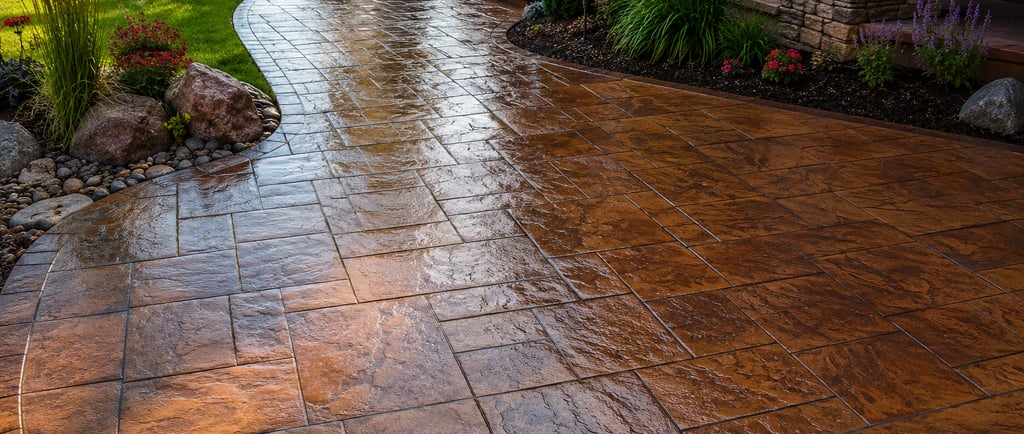
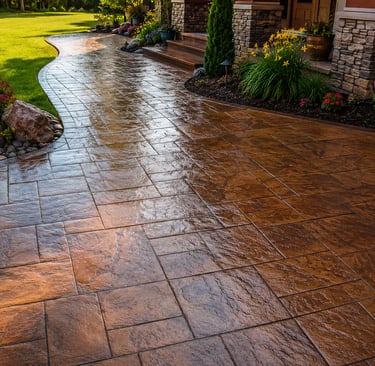
Locking in the Look – If you’ve used color release, stain, or decorative finishes, sealing protects the color and enhances the appearance (usually with a gloss topcoat).
🧱 When It’s Worth It (and When It’s Not)
✅ Recommended:
Decorative stamped or stained concrete
Patios and walkways exposed to full weather
Driveways, especially in winter climates
Exposed aggregate (with added grit)
❌ Optional or Not Worth It:
Garage floors (if sealed too early, tires can “burn” the finish)
Covered patios, utility only applications (think city sidewalks or a pad for a tank)
Interior slabs where appearance isn’t critical
🔍 What Kind of Sealer Should You Use?
Here’s how we typically do it on our jobs:
1. Start with a deep penetrating sealer
Product we recommend: MS300 by SealPro or equivalent
This soaks deep into the concrete and creates a water/oil barrier
Great for durability and weather protection
2. Then apply a topcoat gloss sealer (optional, for aesthetics)
Adds shine and locks in color
But: Gloss sealers don’t last as long on their own and wear fast under foot traffic
Best combo: MS300 base + gloss topcoat = long-lasting protection and a good finish
🧼 Quick Tips for Sealing & Maintenance
🧽 Prep is everything:
Clean the slab thoroughly—don’t seal dirt or stains in
If the surface has color blotches, either wait until full cure, or if it is cured but still looks like the side of a Holstein cow- call us—we’ve got a simple hack to help it blend
Remove algae/moss with a light detergent and pressure wash if needed
Don’t use a water base sealer, they simply don’t last
🧊 Concrete must be 100% dry
Moisture under the surface = cloudy white sealer
If that happens: apply a bit more sealer on a hot day to re-emulsify and release the moisture
⚠️ Pro Installer Tips
For deep penetrating sealers:
Best applied with a sprayer (but it’ll ruin the sprayer—use a disposable one)
Can be rolled, but you’ll use 3x more product—and at ~$50/gallon, that adds up
For high-gloss topcoats:
Usually better to roll on—they’re too thick for sprayers
If surface gets slippery when wet (like exposed aggregate), add clear grit to the sealer for traction
✅ Final Word:
Sealing concrete isn’t always necessary—but it’s one of the easiest ways to extend the life and beauty of your slab.
Do it right, and you’ll protect against water, wear, and weather. Do it wrong—or skip it when it matters—and you’ll be dealing with stains, surface erosion, or faded finishes down the road.
Core Values (CRETE)
Courtesy
Serve with professionalism and initiative.
Respect
Respect people, property and the job-site.
Excellence
Do quality work and never cut corners.
Truth
Be honest, clear, and upfront.
Energy
Show up with urgency, positivity, and purpose.
Contact:
Phone: 541-422-6884
Email: info@firmfoundationsconcrete.com
Fully licensed, Insured and Bonded. CCB# 203408